
A story driven experience that brings the spirit of protest and resistance to life.
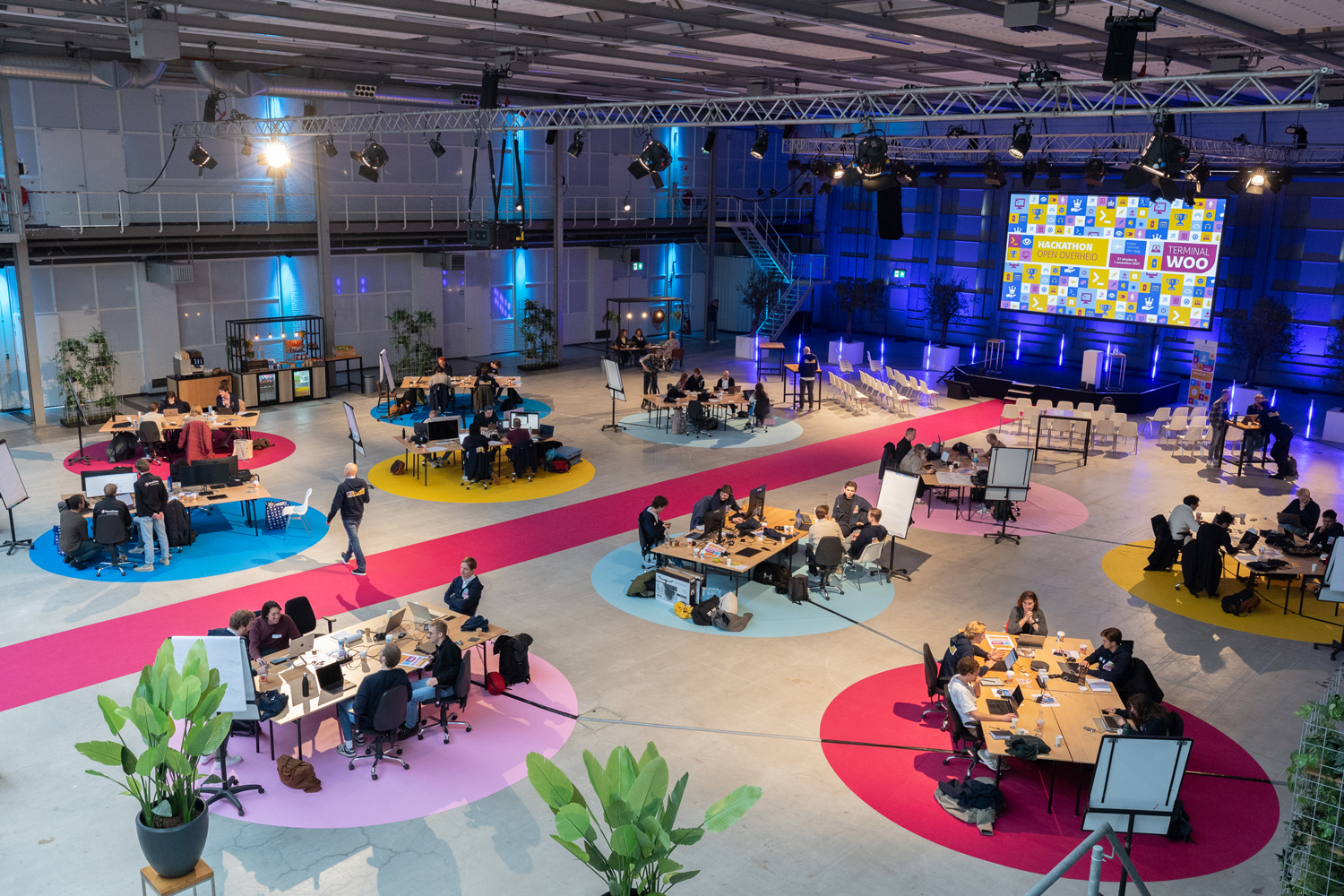
During the Terminal WOO hackathon, ten teams worked on the same challenge: improving the internal WOO process for civil servants. This process involves searching, assessing and publishing information.
All of this had to happen within an extremely tight 36hr window from Friday morning with no plan to Saturday afternoon on stage with the final pitch.
My challenge was unique. Our team had no front-end developers, which made it essential to keep the user at the centre and focus on decisions that would actually work within the government context. In this case study, I show how I provided direction under pressure, clarified the needs of civil servants, and helped the team toward a distinct solution that performed strongly during the hackathon.
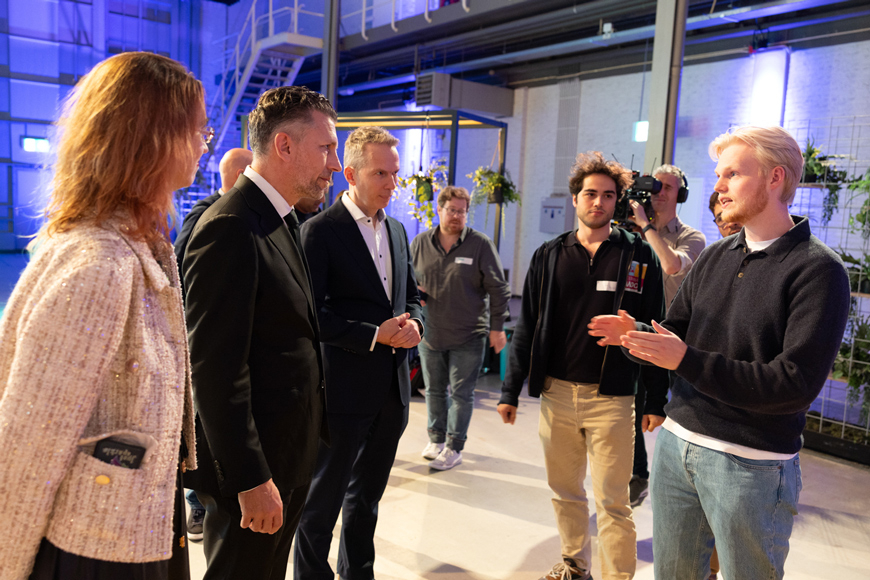
For this project, I focused on three groups of stakeholders that directly shape the WOO process.
Civil servants are the primary end users. They search, assess and publish documents. My role was to speak with them and uncover where the process breaks down. These insights allowed me to create a simple journey map, which made it clear where a new tool could deliver real value.
Ministries and government departments make decisions about new systems. For them, solutions must be secure, reliable and scalable. I ensured our concept aligned with their existing workflows and the strict requirements around privacy and transparency.
Citizens submit WOO requests and expect a clear response within the agreed timeframe. This is the core purpose of the process. By making the work of civil servants easier, we indirectly help citizens receive faster and better answers.


Throughout this project, I made choices that helped us move quickly toward a workable direction without wasting time on unnecessary complexity. We focused on creating a solution that can be applied immediately within the existing environment of civil servants. This allowed us to spend our time on real user problems instead of technical overhead.
I explored where the process could be automated safely and reliably. Tasks like searching and organising documents proved ideal, since they reduce human error and free up time for meaningful review.
Instead of proposing a new platform, I steered the team toward an approach that could integrate seamlessly with the tools civil servants already use. This keeps their workflow almost unchanged, increases the chance of adoption, and fits the government’s need for stability and security.
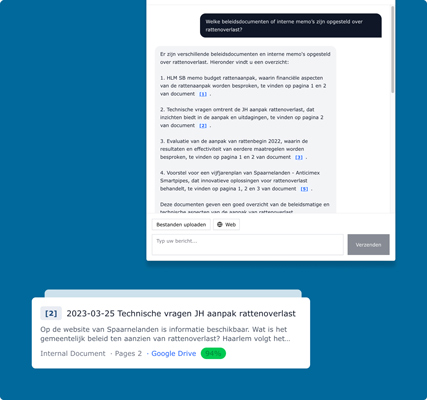
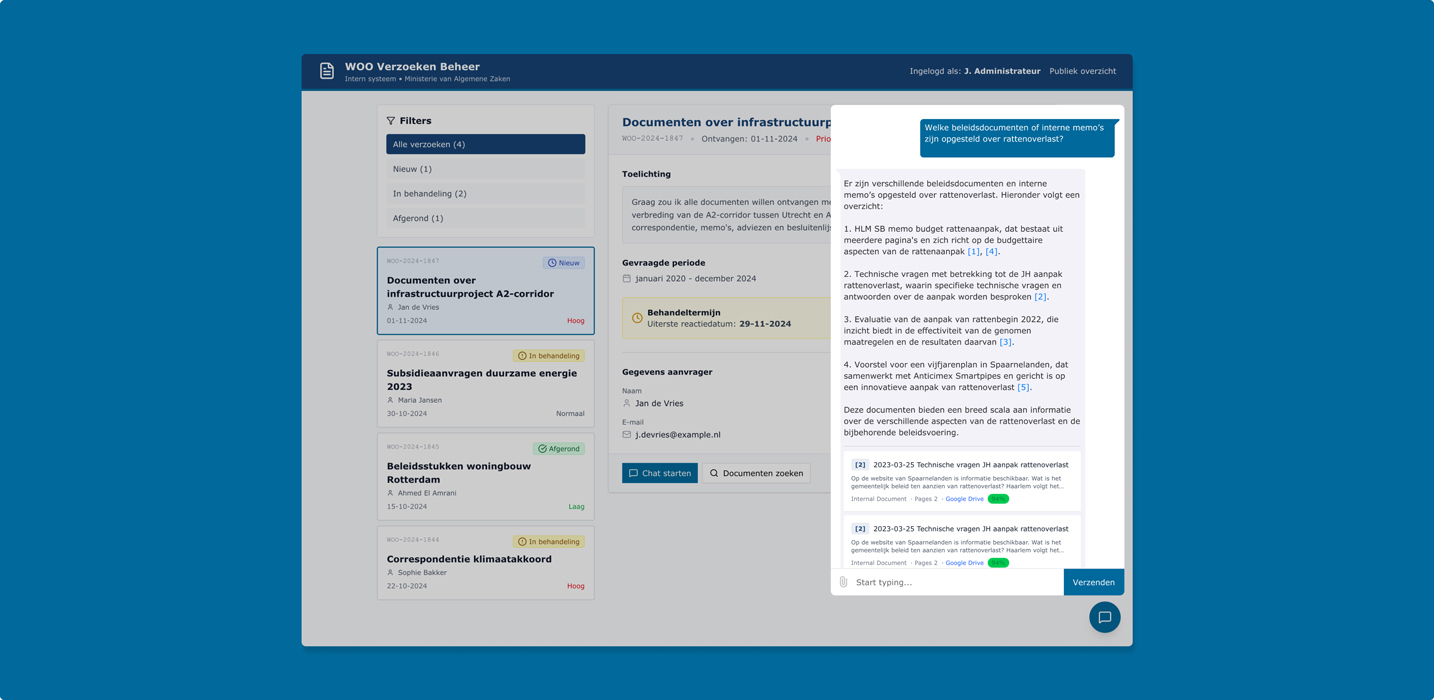
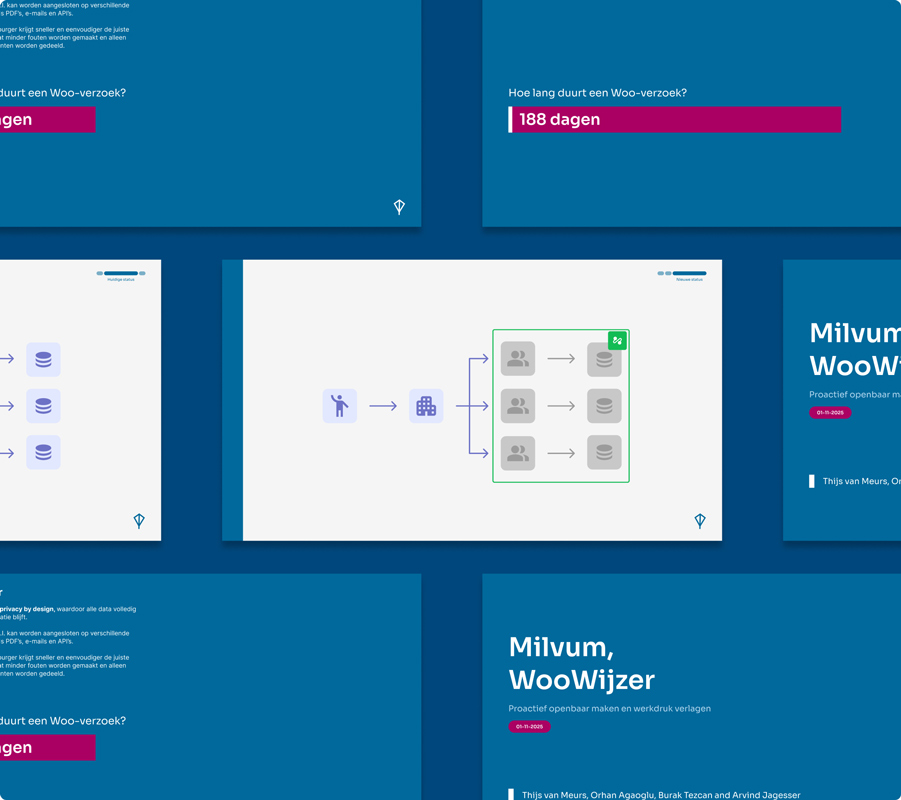
We created the Woo Wijzer, a plug-in that helps civil servants quickly find the right information inside existing government platforms.
The tool runs on a local LLM with privacy by design, keeping all data fully inside the organisation and meeting strict requirements for confidentiality. It uses agnostic AI, meaning it can work with PDFs, emails and APIs, which makes it flexible across different departments. By reducing errors and making relevant documents easier to find, the Woo Wijzer enables faster and clearer responses for citizens.
The tool uses AI to search, summarise and provide a relevance score for each document. Civil servants can ask questions in a simple chat interface, keeping full control while the heavy document analysis is handled by the system.
Block Quote

Our team finished in fourth place. We narrowly missed the prizes, but the process taught me a lot. As the UX designer in a team of three back end developers, we had limited time for a polished front end. Instead of designing immediately, I chose to keep the user at the centre. I mapped the workflow of civil servants, identified their friction points, and worked closely with the developers to shape solutions that were technically realistic within 36 hours.
One of my biggest insights was the importance of connecting ministry strategy with what users truly need.
I learned this by speaking extensively with future users, government staff and hackathon jury members.
These conversations helped me understand both the technical constraints and the opportunities we could actually deliver under time pressure.
I also developed my ability to present at different levels. I started with small groups who had strong influence, and later presented our concept to a full audience during the final pitch. This helped me sharpen the story, clearly articulate the value for civil servants and ultimately for citizens. I believe this is not the end of the concept. With more time, it can grow into a solution that genuinely accelerates and improves the WOO process.